
J.C. Graziano
Philosopher & Rhythm Researcher
Exploring rhythm, embodiment and musical meaning beyond the limits of formalism.
Philosophy of Music

Musical Practice

Thirty years of experimentation with IV Atonal spanning metal, techno and the lived experience of rhythm.
Encounters, dialogues and experiments at the frontier between philosophy and everyday life.
Philosophical Practice
about
J. C. Graziano is a philosopher, musician and multi-instrumentalist working at the intersection of philosophy of music, formal systems and contemporary sound practices.
Philosophy of Music
THE ORPHEUS HYPOTHESIS
The Orpheus Hypothesis is a philosophical framework developed by J. C. Graziano in 2026, investigating rhythm, embodiment and temporal indeterminacy as the hidden foundations of musical experience. The project is articulated through four interconnected papers spanning ontology, formal systems, phenomenology and musical historiography.
Towards a Metaphysics of Embodied Rhythm
An inquiry into rhythm, embodiment and temporality as the ontological foundations of musical meaning beyond formalism.
Rhythmic Indeterminacy and Functorial Dynamics
An exploration of rhythmic indeterminacy and temporal coupling through the T.I.C.A. model, proposing a dynamic ontology of musical interaction beyond static formal systems.
The Orphic Body
A phenomenology of embodied rhythm and temporal resonance, proposing the Orphic Body beyond predictive and computational models of musical experience.
The Phonographic Simulation
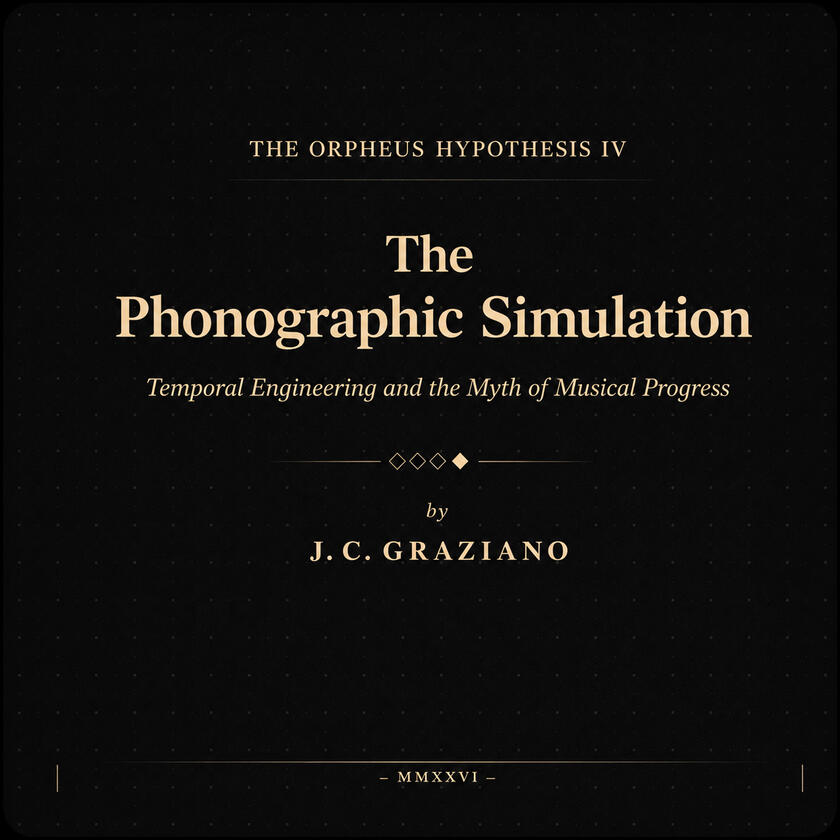
A philosophical critique of musical progress and industrial synchronization, exploring the phonographic era as a simulation of temporal experience.
THE ORPHEUS HYPOTHESIS
A multimedia edition
A transdisciplinary philosophy project combining essays, audiobook, graphic narrative, animated film and experimental soundtrack into a single multimedia experience.
Expanding the original four-paper framework, the Multimedia Edition integrates philosophical research with sound design, visual storytelling and archival materials, exploring rhythm, embodiment and temporal experience across multiple media forms.
🎙 Listen to the Companion Interview
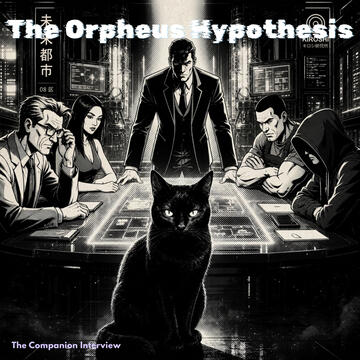
Animated Short

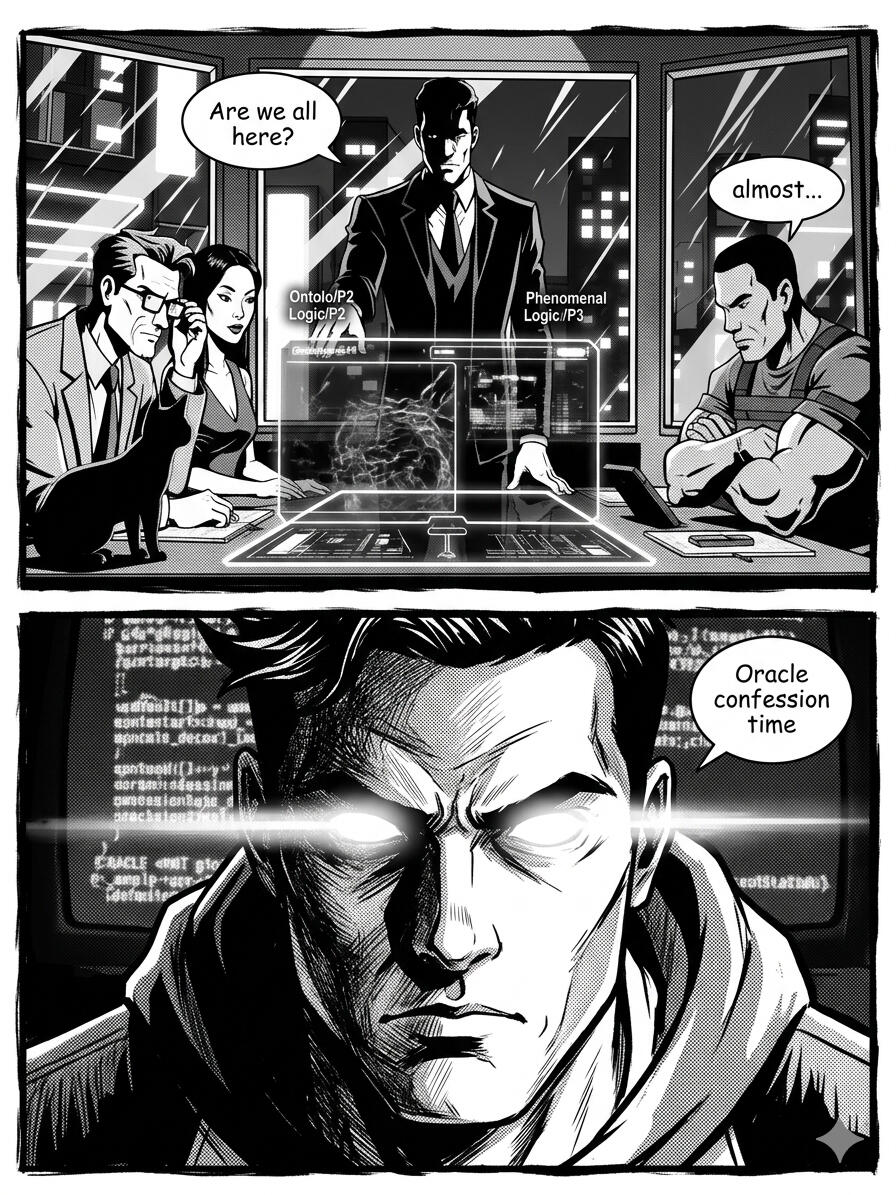
An experimental cyber-noir animated short introducing the conceptual architecture of The Orpheus Hypothesis through fictionalized dialogue, symbolic narrative and audiovisual fragmentation.
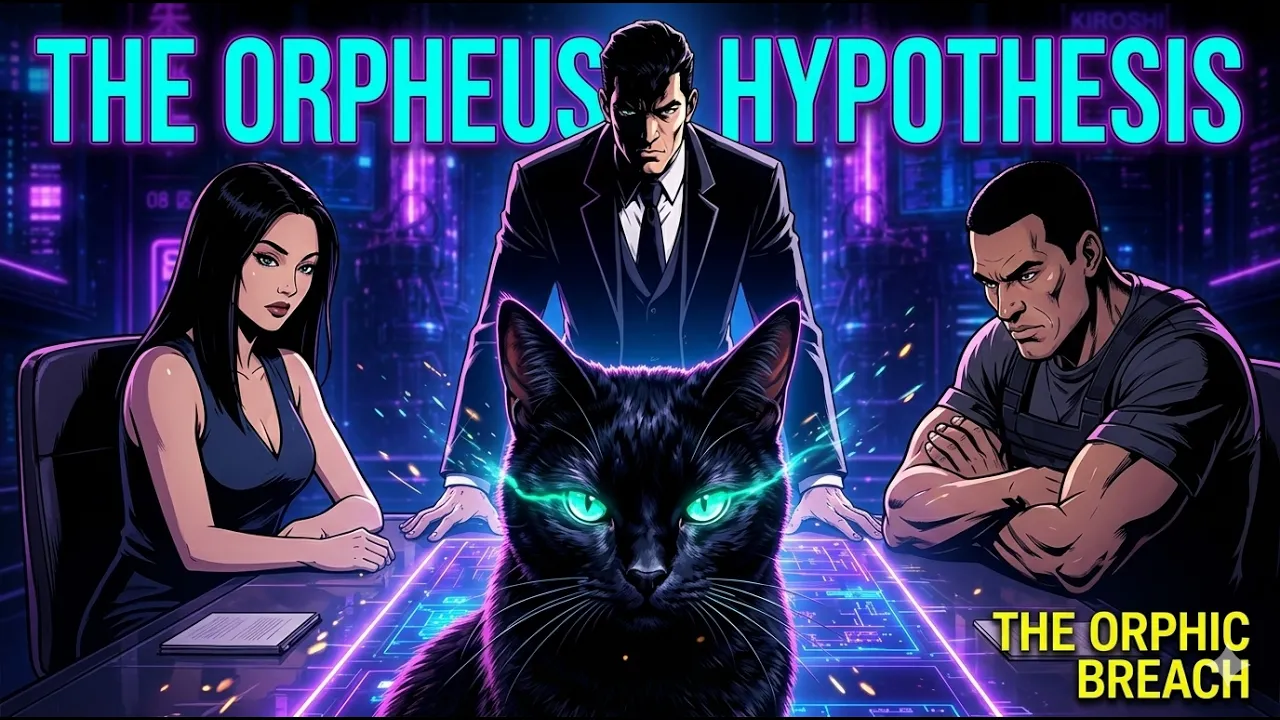
graphic novel
A fragmented graphic narrative expanding the project’s philosophical universe through visual sequences, embedded audio elements and interactive micro-archives.
original soundtrack
An original soundtrack by IV Atonal integrating ambient textures, ritual rhythms and experimental compositions conceived as extensions of the project’s temporal ontology.
FEatures
Fully revised papers
Audiobook Edition
AI Dialogue Foreword
Audio Illustrations via QR codes
Archaeological Appendix
Interactive graphic narrative with embedded audio fragments.
Original Soundtrack by IV Atonal
A Companion Interview
Paperback & Digital Editions
WHEN MUSIC WAS A NUMBER
When Music Was a Number. A History of a Philosophical Misunderstanding is an audiobook adaptation of Music, Number and Rhythm, written and read by J.C. Graziano.
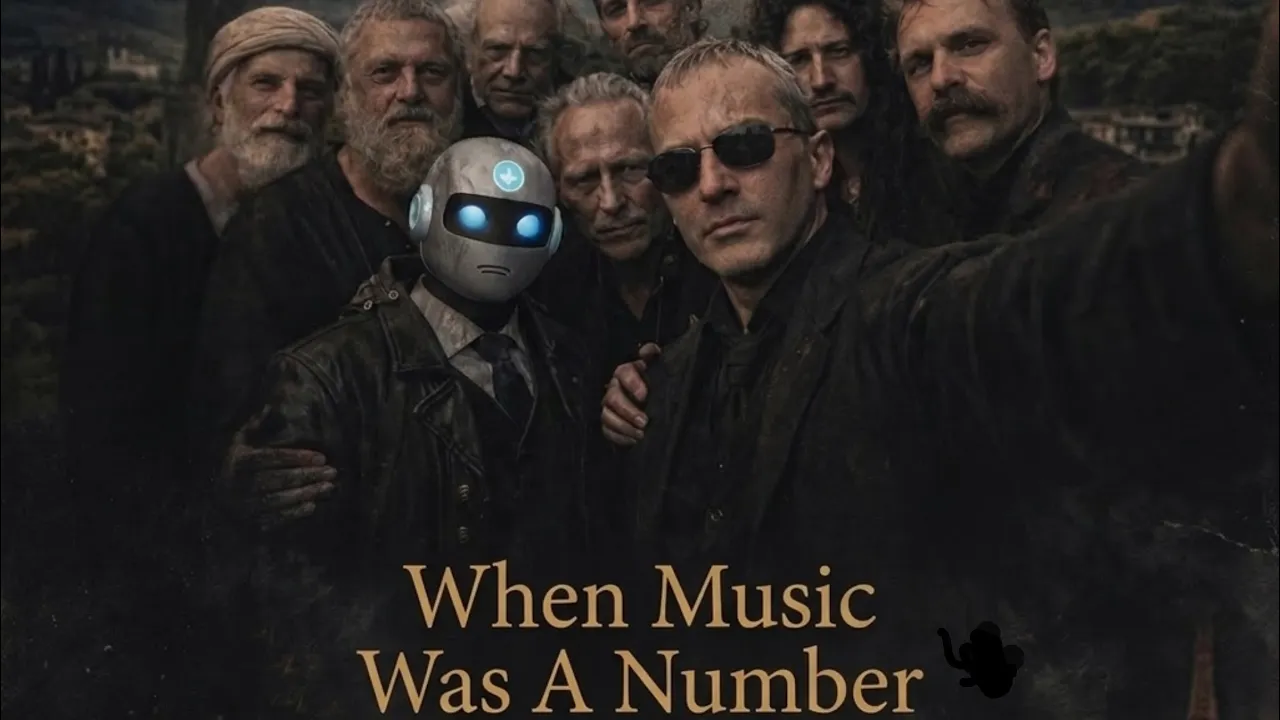
Tracing more than twenty-five centuries of philosophical reflection on music, the project explores how Western thought gradually reduced music to structure, mathematics, and formal order, often neglecting the body, lived time, and rhythm as experience.The audiobook is available free in English, Italian, and German on Spotify.
- 🇬🇧 When Music Was a Number [ English ]
- 🇮🇹 Quando la Musica era un Numero [ Italiano ]
- 🇩🇪 Wenn Musik Zahl War [ Deutsch ]
MUSIC, NUMBER AND RHYTHM
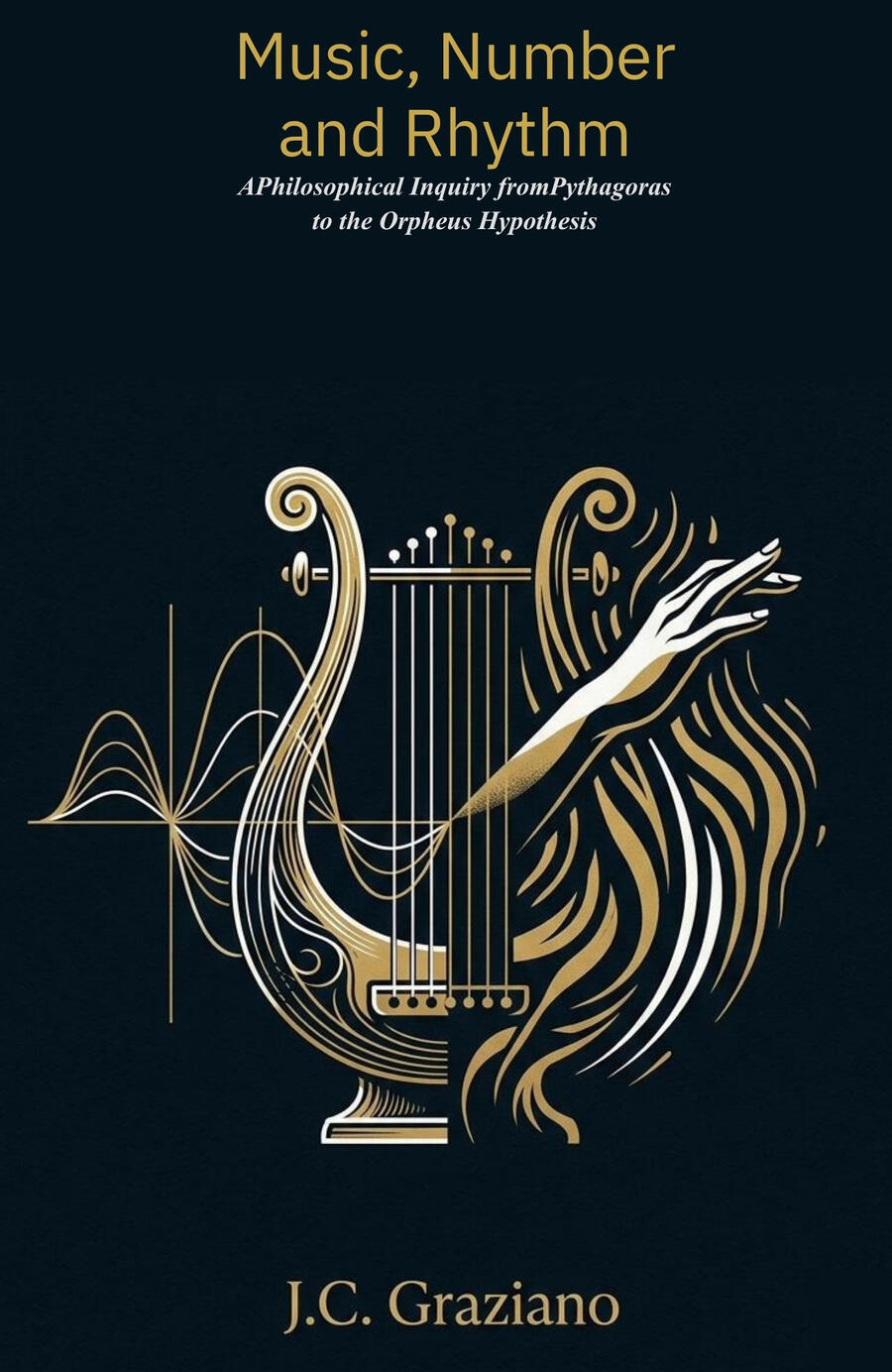
This essay traces a twenty-five-century misunderstanding at the heart of Western philosophy of music: the reduction of music to number, structure, and formal order, beginning with Pythagoras and persisting through analytic aesthetics, neuroscience, and even artificial intelligence.
Moving from Plato and Boethius to Schönberg, Goodman, and contemporary cognitive science, J.C. Graziano argues that the body, lived time, and rhythm have been systematically excluded from philosophical reflection on music.The book proposes a radical rethinking of musical ontology through the concept of embodied rhythm, suggesting that music cannot be fully understood as mathematical structure alone, but only as a relation between sound, time, and the living body that experiences it.The Orpheus Hypothesis, introduced here in preliminary form, opens a new philosophical framework at the intersection of aesthetics, phenomenology, logic, and philosophy of science.
J. C. Graziano studied philosophy at the University of Florence, Italy, where his thesis in philosophy of music (Philosophy of Music: From Pythagoreanism to Contemporary Analytic Aesthetics) in 1999 was supervised by Alessandro Pagnini, with Roberto Giuntini and Maria Luisa Dalla Chiara among his academic examiners.
His research explores the relationship between music, number, embodiment and synchronization, with particular attention to the legacy of Pythagorean thought and its impact on contemporary culture.
IV Atonal
IV Atonal is the musical and sonic counterpart of J. C. Graziano’s philosophical research, unfolding across more than three decades of experimentation between metal, techno, rhythm and temporal experience.Originally founded in Florence in 1993 as the metal project Atonal, the project gradually evolved into a hybrid environment where sludge metal, progressive structures, industrial electronics, techno culture and experimental sound design coexist within the same conceptual framework.Long before digital hybridity became commonplace, IV Atonal explored the collision between heavy guitar music and electronic dance culture, integrating metal performance, DJ practice, ambient textures and rhythmic experimentation into a single evolving identity.Rather than functioning as a conventional band, IV Atonal developed as an open sonic laboratory, involving different musicians, vocalists, producers and experimental performers across the years. Female and male voices, double drumming, baritone guitars, didgeridoo, live electronics and unconventional recording techniques became part of an evolving attempt to preserve creative openness through collaboration and contamination between musical languages.
Across more than thirty years, the project generated an extensive archive of recordings, rehearsals, live sessions, underground performances and audiovisual fragments. Much of this material emerged from semi-improvised situations in which rotating line-ups and temporary collaborations transformed each performance into a unique temporal event rather than a repeatable concert format.Alongside its metal-oriented productions, IV Atonal also developed a strong connection with DJ culture, rave environments and underground electronic music, producing and performing experimental DJ sets across Italy, the UK and other European contexts. Fragments of this parallel trajectory continue to resurface online through selected archival releases and restored recordings.

The project remains active through albums, multimedia collaborations, soundtracks and audiovisual works, including the original soundtrack for The Orpheus Hypothesis. New and archival materials are periodically released through the official channels.
SELECTED WORKS
Everything you know is wrong
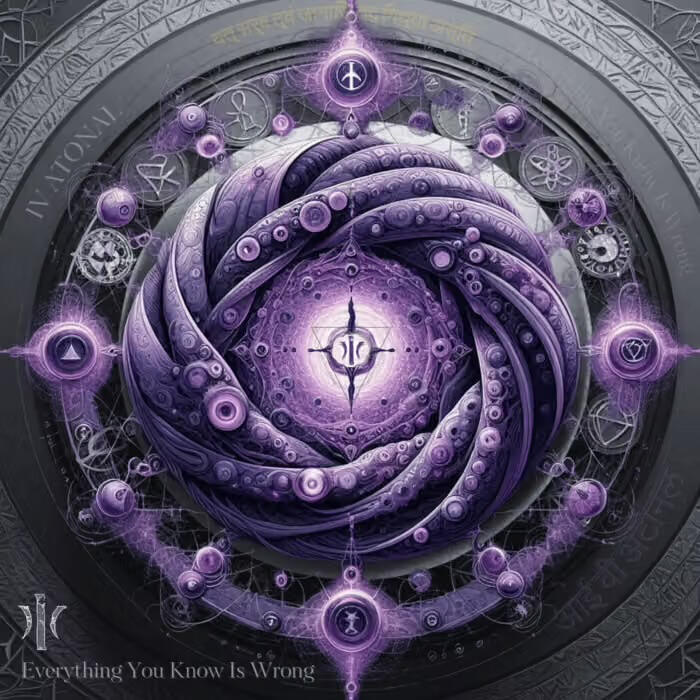
A progressive sludge metal journey suspended between doom atmospheres, microtonal experimentation and philosophical inquiry. Drawing inspiration from the work of J. C. Graziano, Everything You Know Is Wrong explores perception, memory and illusion through hypnotic structures, unconventional harmonies and multilingual conceptual fragments. More than an album, it is an invitation to question the architectures of reality itself.
Aura techno on natura as logic
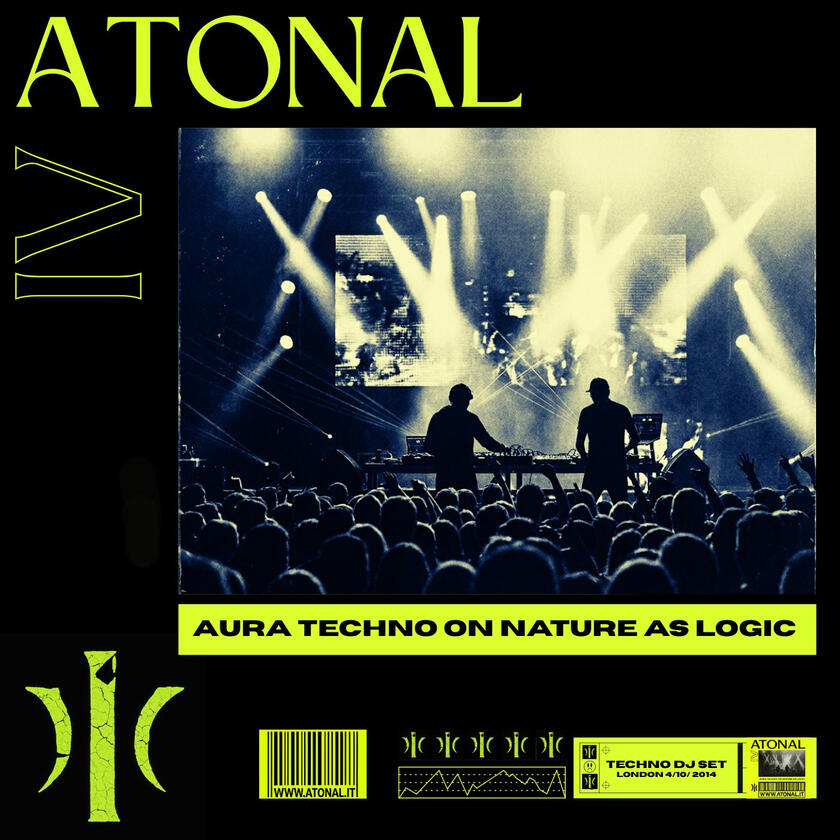
Recorded during a live underground DJ set in London in 2014, Aura Techno On Nature As Logic explores hypnotic techno structures, ritual repetition and dark atmospheric transitions, transforming the dancefloor into a space of collective resonance and temporal immersion.
Under the unbearable

This album of IV Atonal blends crushing sludge metal, atmospheric electronics and multi-vocal experimentation into a dense and emotionally charged sonic landscape. Expanding across slow-moving riffs, dark textures and ritualistic tension, the album remains one of the defining works of IV Atonal’s underground trajectory.
Philosophical Practice
Between 2003 and 2016, J.C.Graziano explored the international field of Philosophical Practice through conferences, publications and dialogical experimentation.
THE PHILOSOPHICAL LUNCH

- 🇬🇧 THE PHILOSPHICAL LUNCH (English)
- 🇮🇹 IL PRANZO FILOSOFICO (Italian)
- 🇪🇸 EL ALMUERZO FILOSÓFICO (Español)
Additional translations available
It is a pedagogical instrument for the training of philosophical practitioners dealing with a small audience, in complements - and in structural contrast - with the estabilished café philo.The framework’s been refined in the light of Philosophical Lunches conducted in Florence between 2006 and 2008.Over the years, this method has been taken up by various training schools worldwide, from Argentina to Austria and from the UK to South Korea,
INTERNATIONAL CONFERENCES
Partecipation in the International Conference on Philosophical Pratice (ICPPP), in 2008 (Carloforte, Italy) and in 2010 (Leusden, The Netherlands), presentting the paper ‘The Philosophical Lunch’.
The experiece included direct exchanges with leading international figures such as Gerd Achenbach, Lou Marinoff, and Oscar Brenifier.
THE PORTAL

Between 2010 and 2011, J. C. Graziano collaborated with a small independent team on the creation of www.atonal.it, an ambitious online platform connecting nearly one hundred philosophical practitioners from around the world.The network included internationally recognized figures such as Oscar Brenifier, Lou Marinoff and Tim LeBon, combining webinars, archived seminars, private video consultations and multi-user virtual meeting rooms within a single digital environment.For several months, the portal became one of the most visited philosophy websites online. Long before the global normalization of remote intellectual work after 2020, the project had already experimented with forms of distributed philosophical interaction that anticipated many aspects of contemporary video-conferencing culture.Despite its early visibility and the presence of paying users, the initiative ultimately struggled against the limited technological engagement of the philosophical community itself, together with the economic difficulties of sustaining an independent platform years before such models became culturally familiar.

VIDEO MATERIALS

COMING SOON
j.c. Graziano
Altro diletto che ’mparar non provo
“No other delight than learning.”
This verse from Petrarch has accompanied J. C. Graziano throughout a life shaped less by specialization than by continuous exploration.Originally drawn to history, J.C. Graziano’s path gradually expanded toward philosophy, logic, music, technology and the study of temporal experience. His musical formation developed simultaneously through two seemingly opposite trajectories: the visceral energy of rock and metal culture, and the hypnotic structures of DJ practice, techno and electronic music. Over the years, these parallel worlds converged into a single research field centered on rhythm, embodiment and sound.Alongside his philosophical studies in Florence and his training in drums and percussion at the Accademia di Musica Moderna in Milan, he explored instruments, computer music, web technologies and multimedia production, while working across radically different environments ranging from warehouses and call centers to teaching web design and digital communication.For more than a decade, J.C. Graziano was deeply involved in the international movement of philosophical practice, collaborating with many of its leading figures while developing experimental projects dedicated to online dialogue, philosophical consultation and remote interaction years before such formats became globally normalized.His work eventually evolved into The Orpheus Hypothesis, an interdisciplinary framework situated at the intersection of philosophy of music, temporal ontology, phenomenology and sonic experimentation.He later undertook the study of Russian and Arabic, not as professional necessities but as extensions of the same enduring instinct: the desire to continue entering unfamiliar worlds.For J.C. Graziano, learning has never been preparation for life. It has been life itself.